"Be diligent to present yourself approved to God as a workman who does not need to be ashamed, accurately handling the word of truth" (2 Timothy 2:15).
 ack in the era when I was blogging on a regular basis, there was a lot of discussion about the ethical propriety of pastors' paying for research and writing from a company like the Docent Group. Docent claimed several well-known ministerial clients, including Tim Keller, Matt Chandler, Craig Groeschel, and—most notoriously—Mark Driscoll.
Driscoll's rapid downfall was partially sparked by accusations that he was a serial plagiarizer, and one of the charges made against him was that his sermons were written for him, at least in part, by Docent.
Management and staff at Docent are clearly sensitive about their reputation as an illegitimate shortcut enabling dilettante preachers to bypass the work they should be doing in sermon preparation. Docent's current website reflects the company's uneasiness with the idea of writing prefabricated sermons for lazy pastors. In the website's FAQ, the first question listed is, "Does Docent Write Sermons?" Their answer:
Docent does not and will never write sermons. We started Docent to help pastors become better preachers, and pastors will never become better preachers with someone else writing their sermons. We have received requests from potential clients to write sermons in the past, but we have declined to work with those pastors because writing sermons violates our core values.To put it affirmatively, we believe that pastors are called to write their own sermons for their flocks.
On the other hand, they say they will
custom create—from scratch—content for busy pastors: sermon research, congregational surveys, small group, discipleship, and leadership pipeline curriculum, book summaries, assistance in turning the pastor’s content into books, and position papers and training seminars to help staff and/or attenders grapple with cultural challenges.Docent partners with pastors to provide research assistance to lighten their load and help them serve their churches more effectively. We do provide sermon research, leadership consultation, and custom curriculum.
And they acknowledge that "there is no way for us to know with certainty that our clients are not misusing the material we provide them with."
There are, of course, legitimate ways a pastor can benefit from the help of a skilled researcher—fact finding, statistics, survey data, demographic details, or help in finding documentable sources for anecdotes or unsourced quotations. (I regularly answer questions from pastors who ask, "Did Spurgeon really say this thing that is often attributed to him? And if so, what's the source?") Nothing wrong with getting help at that level. Though candidly, AI would seem to render Docent's services unnecessary for questions like that.
Here's an informative criticism of Docent. I don't need to join the dogpile. Docent are by no means the worst in this internet-era genre of groups offering shortcuts for preachers. Perhaps they really do try to guard how their research is used. They say they try to "notice red flags if a client is regularly using too much of the content from the brief." I'm not sure what they might do (if anything) when they learn that a pastor is using Docent as an illegitimate shortcut. But at least they say they don't approve of or encourage that use of their work.
Other services and apps are available that don't seem to have any qualms at all about helping pastors cheat. There's Verble, who advertise with the slogan "Effortless Sermon Writing . . . Turn Scripture, prayer, and reflection into a clear, powerful sermon in minutes." Then there's Sermon Box, where you can buy whole sermon series, replete with "modern media packs" and "worship visuals." Or Rick Warren's Pastors.com. They say, "Our passion is to have healthy pastors leading healthy churches for the global glory of God." But in reality the website is a crass marketplace peddling prefabricated sermons and other material (mostly by Rick Warren) with precious little biblical content.
 I could go on. It seems a lot of unscrupulous hustlers are making money hawking superficial sermons to slothful preachers.
There was a brief scandal among Southern Baptists in 2021 (dubbed "sermongate") when someone pointed out that SBC president Ed Litton preached the same sermon, nearly verbatim, that the previous SBC president, J. D. Greear, had preached a year earlier. (It soon came to light that this was a longtime pattern of Litton's.) Greear himself faced accusations that he had taken a personal anecdote from Paul Tripp and retold it as his own.
Every now and then I'll get a letter or email from an elder somewhere who has discovered that his pastor is merely reading transcripts of John MacArthur's sermons or lifting material verbatim from his commentaries—while pretending he is preaching sermons that came out of his own study. John had no objection if other pastors incorporated into their messages ideas and observations borrowed from his sermons, and he didn't expect (or even desire) to be named in a credit line every time a preacher used an idea from one of his sermons or commentaries. But he did not approve of preachers using verbatim excerpts from someone else's work and passing it off as if it were their own original material. That is plagiarism. John's comment was that a man who does that is not a preacher; he is a performer—an actor.
 But apparently there are a lot of men filling pulpits in evangelical churches who don't much bother to study the Scriptures for themselves. They use the work of others without attribution and pretend their sermons are the fruit of their own study. Whether they recite full sermons or just steal a paragraph here and there doesn't matter. It is still plagiarism. It is an illegitimate shortcut, and if a preacher does it routinely, in my judgment, he is not qualified to teach.
AI presents a whole new level of temptation for lazy preachers. It also offers a new and more efficient way to discover plagiarism in a pastor's sermons. If a preacher is reciting material verbatim from a published source, the AI machine will recognize that level of plagiarism pretty easily.
But as noted, AI can also be used in place of a research group like Docent. You can ask almost any AI app to write material for a sermon on, say, John 3:16, and the response will come back in seconds. AI is truly intelligent. The results can often be preached with no or minimal editing. And it will probably pass as "original," in the sense that it isn't word for word like anything currently available.
Having AI write sermon material for you is still an illegitimate shortcut, and your ministry will suffer if you do it—because it will isolate you from the sanctifying influence that you gain when you study the Scriptures for yourself. Second Timothy 2:15 should weigh heavily on the conscience of any preacher who takes such shortcuts.
 Almost every website that offers sermon-prep shortcuts for preachers will say things like, "Pastors today are busy with administration, planning, organizing, counseling, and a host of other duties. We can help minimize the time you spend preparing sermons."
But preaching the Word, in season and out of season, is the primary duty and first priority of every pastor. If a preacher finds his schedule is too busy to spend personal time studying the biblical text and preparing a sermon, then he needs to cut something else out and "devote [himself] to prayer and to the service of the word" (Acts 6:4).
|




 ere are four items—a small sampling of some typical issues that illustrate my concerns about the doctrinal and ideological trajectory of The Gospel Coalition:
 Despite the Coalition's stated view that the church needs to

 TGC badly mishandled almost every aspect of the COVID crisis, uncritically echoing untruths that we now know were deliberately spun by Dr. Fauci and Francis Collins, parroted by most of the media, and used by government officials to impose tyrannical restrictions. Officials in Canada were literally jailing pastors while letting rapists walk free. In California the government was closing churches while opening casinos, strip clubs, and massage parlors. Officials in every major developed country forced policies on people that the politicians themselves flouted.
 TGC has shown a clear preference for the Woke notion that systemic injustice is a major factor causing ethnic strife, political unrest, and other social problems—and that practically all our institutions need a major overhaul to compensate for that. Since 2014 or so,




 arlene and I were in London 20 years ago today. I was preaching at the Metropolitan Tabernacle's School of Theology when

 We were not close enough to hear any of the explosions, but somehow word of the attacks spread through the Met Tab congregation, and when I finished my message, there was an eery silence. By the time I came down from the pulpit, the Tabernacle was already more than half empty.
 Darlene if I had said or done something unintentionally offensive. She told me there was some kind of emergency—explosions in the London Underground, possibly terrorism. The whole city was shutting down.
 rminian reasoning: "If God is sovereign, doesn't that make him the author of evil? Why would an all-powerful, all-knowing, beneficent God permit evil in the first place?

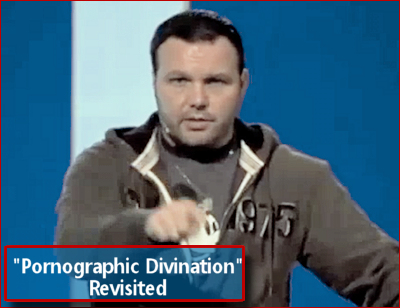
 any readers will remember
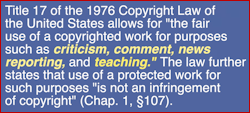 So I have corrected that problem by incorporating the gist of my critical remarks into the video and reposting it, together with a quotation from the relevant legal statute demonstrating why the Fair Use doctrine protects my posting of these excerpts.
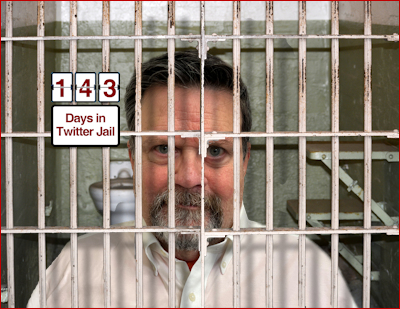 Still no response from Twitter:
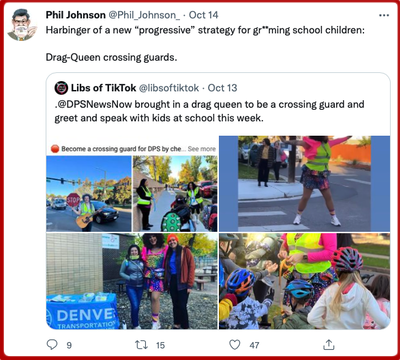
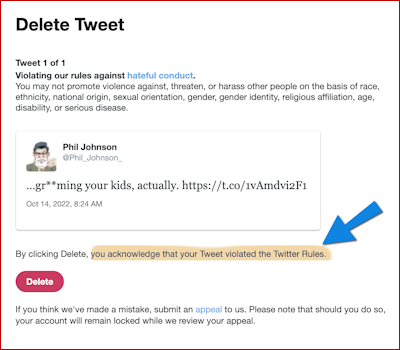
 witter banned me a month ago today because I said that local school boards' efforts to normalize sexual perversion in the minds of elementary school children is taxpayer-funded, state-driven grooming.

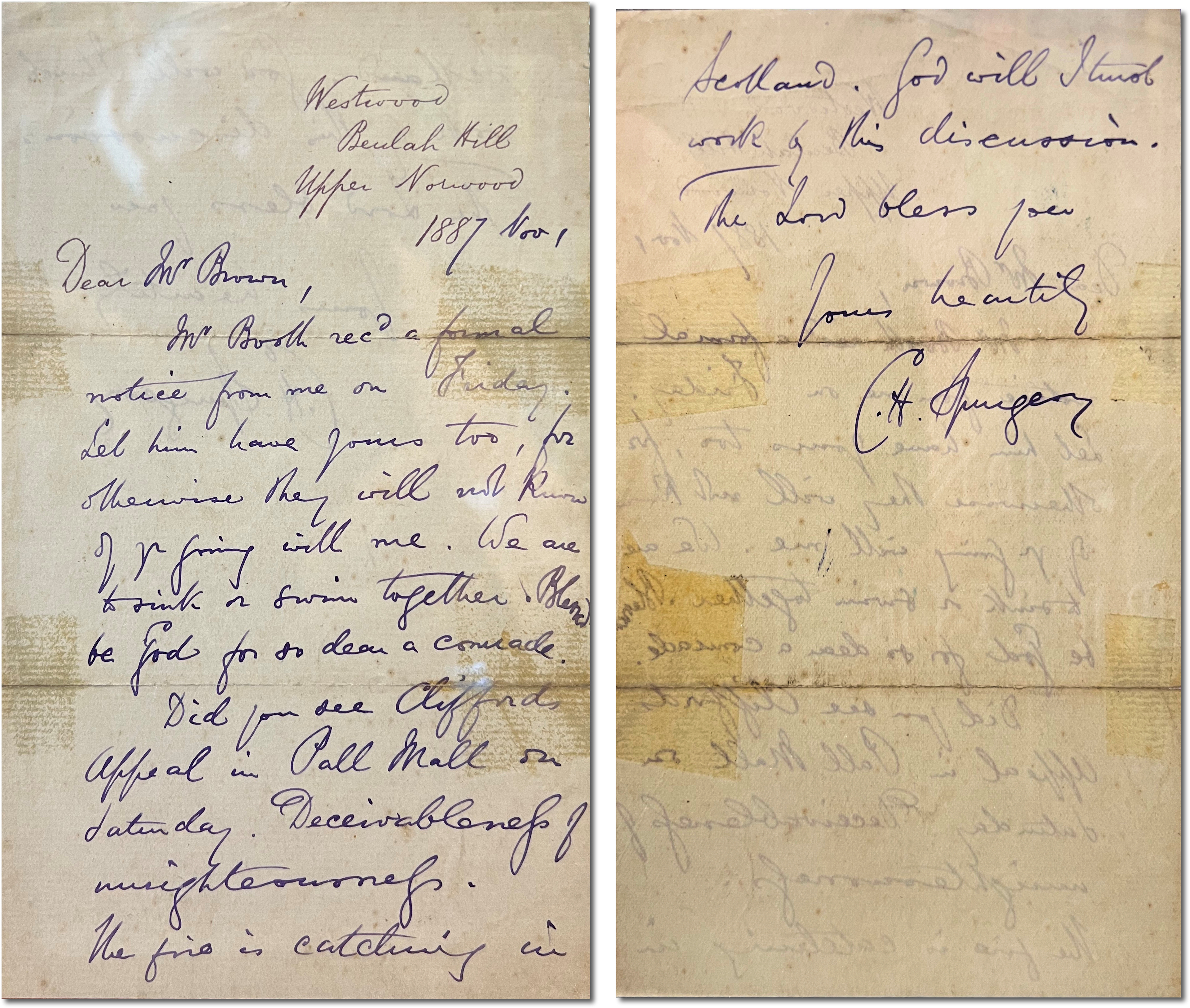
 n October 28, 1887 (a Friday)—well into the Down Grade controversy—
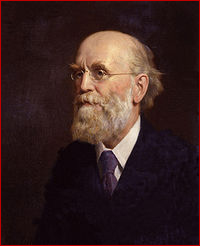 "Clifford" is
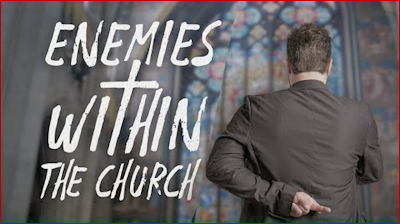
 finally had an opportunity to see the documentary
 This is by no means a new phenomenon. There is an easily traceable line of descent that runs from the Socinians of the 16th and 17th centuries through the Deists and Unitarians of the 18th century, the modernists of the 19th century, the liberals and pragmatists of the 20th century, and the Emergents of the 21st century. Today's Wokevangelicals are following identical lines of argument, employing similar rhetoric, and drifting in the same direction as all of those previous departures from evangelical orthodoxy.
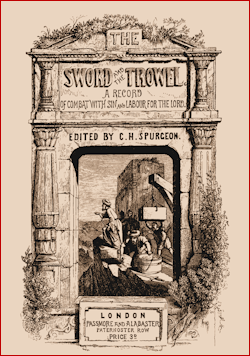 In 1887, The Sword and the Trowel (Charles Spurgeon's monthly journal) published
 Still, those unauthorized efforts to promote the film by browbeating men in Christian leadership have prompted me to say once again that nothing undermines biblical discernment and the cause of truth more deeply and hurtfully than haughty controversialists who act like they firmly believe they are the kingpins and custodians of the cosmic war against false teaching. They seem to think the truth is best advanced by intimidation, insults, crass language, and caustic rhetoric. Passages like 1 Corinthians 13:4-7; Galatians 5:22-23; and 2 Timothy 2:24-25 have no obvious impact on their dealings with others—because as they will point out, undiscerning people misuse those texts to justify their refusal to contend for the faith. But that doesn't give spiritual warriors license to ignore those features of true Christlikeness altogether.
 Let me speak plainly: I don't have the time or the need to investigate and verify every individual claim made in the documentary. "Enemies Within the Church" echoes an opinion I have stated many times already, so yes I emphatically agree with the central message. Most of the claims made are either well-established facts, or they are sufficiently documented in the film itself with video records and direct quotations. Plus, the clear and persuasive testimony of multiple eyewitnesses is hard to gainsay.